
Sponsored by Flame King
Selecting outdoor fuel equipment might seem simple at first. Early experiences show that choosing the right propane tank determines how reliable your setup will be during daily use.
Propane powers grilling, outdoor heating, travel cooking, small appliances, and RV living.
Matching tank size, construction quality, and features to your lifestyle brings smoother days outdoors and fewer interruptions during the activities you enjoy.
Your Lifestyle and Fuel Demands
Different cooking styles and outdoor routines require tailored approaches to fuel storage. Backyard grillers often stick with a single setup, while RV travelers move between campsites, parking lots, and off-grid spots.
Each pattern demands a closer look at propane tanks to match the frequency and intensity of use. A fixed grill on a patio tends to support larger cylinders that stay in place. A camper or tailgater benefits from compact tanks on wheels that can travel with ease.
The idea is to match volume and mobility to your environment.
Another factor involves the fuel burn rate of your equipment. A small tabletop grill draws far less fuel than a multi-function grill that handles smoking, searing, and boiling on one platform. The broader the cooking range, the more thoughtful you must be about your tank choice.
Overestimating rarely creates problems. Underestimating often interrupts meals or heating cycles at inconvenient moments.
Backyard Grilling: The Classic Scenario
Grilling in the backyard remains one of the most common uses for propane. Home cooks usually select mid-sized cylinders that balance fuel storage with convenient swaps.
These tanks store enough fuel for weekend cooking and sit safely in stable carts beside the cooking surface. Many grills include housing brackets to secure the cylinder, maintaining stability during use.
Tank size should match the duration of your sessions. Long, slow cookouts benefit from larger cylinders for reliable performance, while quick weeknight meals may work best with smaller tanks that save patio space.
Keeping a second cylinder on hand ensures cooking continues without interruption.
Propane accessories help in this setting as well. Simple items such as gauges and covers support safer use. Quality fittings and hoses also keep the connection tight, so your grill lights immediately with a strong flame each time.
These small parts matter when you rely on consistent heat for everything from burgers to delicate vegetables.
RV Travel: A Different Set of Demands
Traveling by RV shifts the entire conversation because space, mobility, and refilling ease matter far more than capacity alone. People who live on the road choose cylinders built with thicker steel because those tanks face constant vibrations, weather changes, and bumps along long highways.
The right tank will handle frequent refills, storage shifts, and campground setups without early wear.
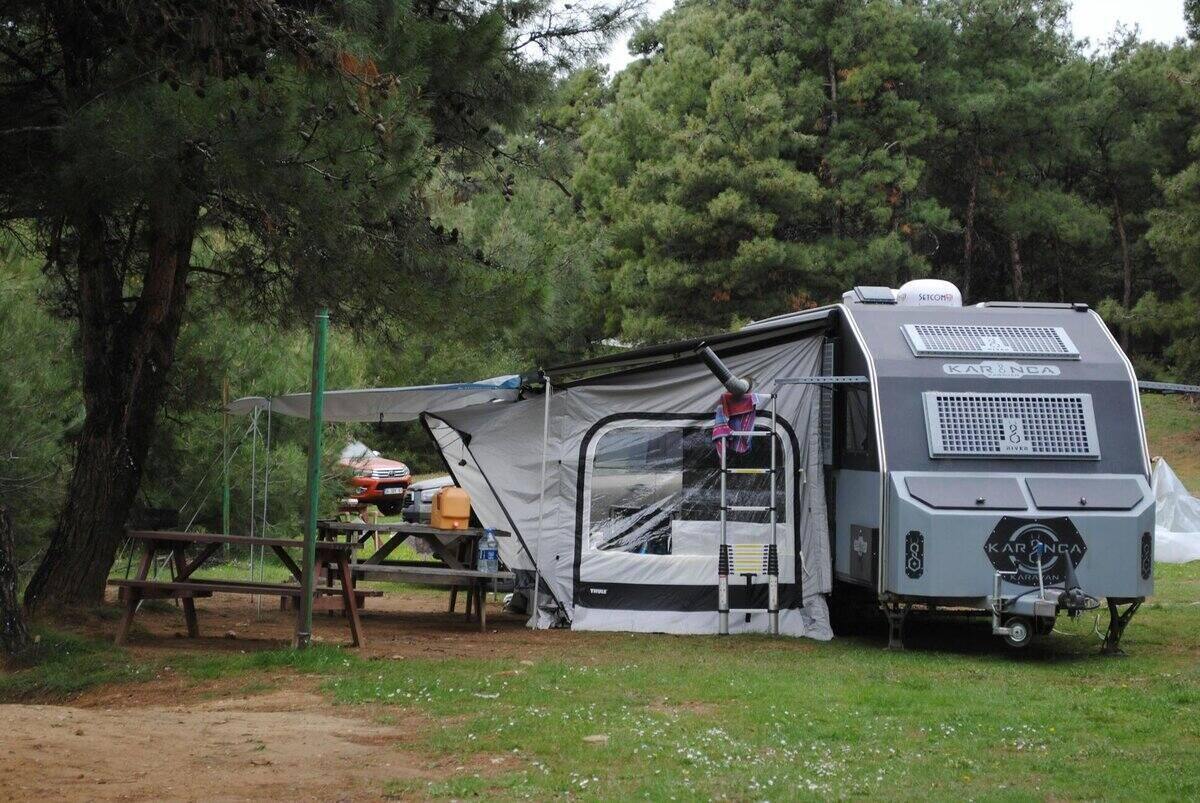
Some RV owners prefer horizontal cylinders designed to ride safely in exterior compartments. Others choose vertical models paired with tanks on wheels to move them easily around the campsite.
Rolling frames make it far easier to move tanks between the RV and refill stations, which is especially helpful for solo travelers. Weight management remains critical in an RV because every pound influences handling and fuel efficiency.
Choosing a tank size that balances capacity with ease of movement supports smoother, more predictable travel.
RV systems often connect to stoves, water heaters, portable fire pits, and outdoor cooking stations, making fittings and hoses especially important. Each connection must remain secure even as equipment shifts on the road. For this reason, many RV owners select propane accessories designed specifically for their appliance brands.
Campsites and Tailgates: Compact Convenience
Short trips call for smaller cylinders that travel without fuss.
Tailgaters, weekend hikers, and casual campers like lightweight models that pair easily with small burners and portable grills. A compact propane cylinder slips into a trunk or gear case without taking over the entire space. These tanks often power breakfast skillets, portable heaters, and compact stoves during quick getaways.
Tank selection becomes even more important when using a multi-function grill that operates as a stove, griddle, and barbecue unit in one. These versatile appliances consume more fuel than a single-purpose burner.
Matching the tank to the appliance helps prevent flame drops during cooking. A mid-sized cylinder often strikes the right balance for campers who want mobility without relying on tiny canisters that empty too quickly.
Control also matters in campsite cooking. Many campers pair their cylinders with pressure regulators, connector kits, and additional propane accessories that allow a full cooking setup to come together in minutes. The right accessories can transform a rugged campsite into a comfortable outdoor kitchen.
Cylinder Construction
Cylinder design varies widely, and construction quality has a direct impact on lifespan, performance, and safety.
Cylinders made from high-grade steel respond better to temperature changes and resist dents more effectively. Outdoor cooking gear faces constant handling—backyards introduce bumps from patio furniture, RV compartments shake during long drives, and campsites add uneven ground that challenges every piece of equipment.
A well-built tank maintains its shape over time. Threads remain strong through repeated connections and disconnections.
Paint layers also play an important role. Protective coatings slow corrosion that can reduce the life of propane tanks exposed to rain or road debris. Shoppers who invest in solid construction often save money in the long run because replacements become far less frequent.
Refilling Versus Swapping
Fuel supply preferences also shape tank decisions. Some people favor the speed of swap programs, where an empty cylinder is exchanged for a full one in minutes. Others prefer refilling stations because they often deliver more fuel per transaction.
RV travelers tend to choose refilling since their trips require frequent top-offs, while backyard cooks often stick with swap racks because they value speed and convenience.
This choice influences tank selection. A tank you plan to refill regularly must hold up to repeated handling by attendants. A tank used for swap programs should follow the standard size and design accepted in your region.
Maintaining compatible fittings saves time when you arrive at swap kiosks.
Storage and Care
Keeping your propane tanks in good condition protects both the cylinder and the appliances you use with them.
Outdoor storage works well as long as the tank stays upright. Storing it in a dry, shaded space slows paint wear and corrosion. Many people keep their tanks on wheels so they can move them easily between storage and cooking areas.
Routine inspections also play an important role in long-term performance. Checking fittings and hoses helps identify early signs of wear before they become problems.
Even a small crack or worn seal can affect flame reliability. Replacing minor components as needed supports smoother operation on any grill or camp stove.
Choosing a Tank with Long-Term Value
Choosing the right propane tank does not need to feel overwhelming.
The secret lies in matching tank size, construction, and accessories to your cooking style, travel demands, and long-term needs. Backyard chefs, RV travelers, and weekend campers all benefit from making informed choices based on their routines.
A thoughtful selection helps create smoother meals, safer setups, and a more enjoyable time outdoors.